
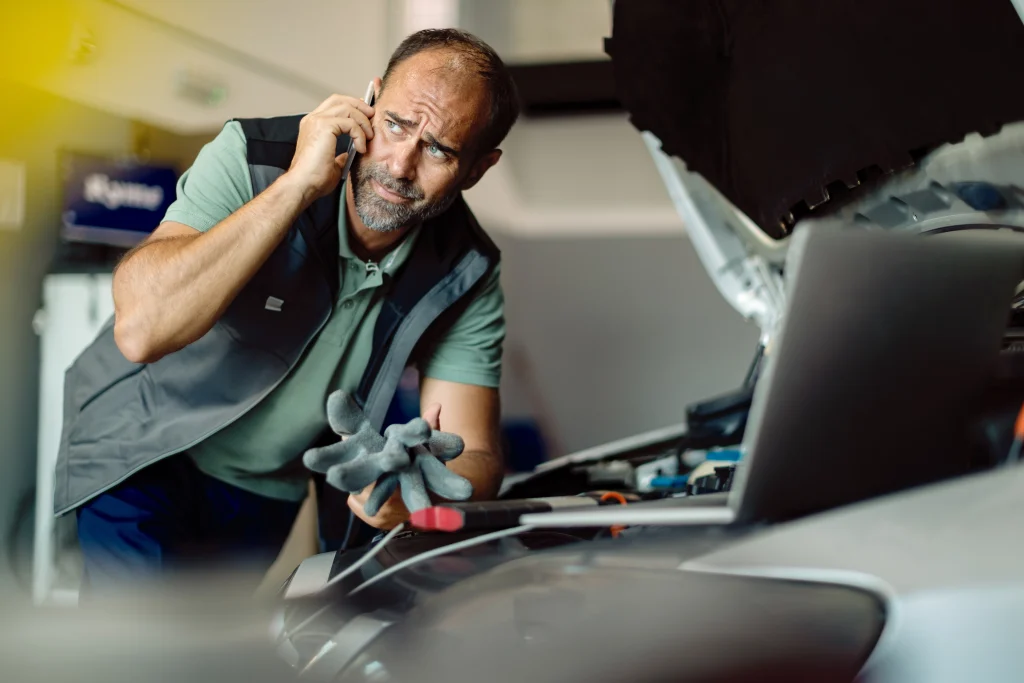
There is never a convenient time for your vehicle to refuse to start. Whether you are getting ready for work, leaving home, heading across Reno, or returning to your car after running errands, a no-start problem can quickly turn a normal day into a stressful situation.
A vehicle that will not start does not always mean there is a major engine problem. In many cases, the cause can be something relatively straightforward, such as a weak battery, faulty starter, or fuel-related issue. However, identifying the actual cause is important before replacing parts or arranging expensive repairs.
If your vehicle will not start, a mobile mechanic in Reno can provide a convenient way to have the problem inspected at your location. Below are ten common reasons your car may not start and what you can do about them.
1. Dead or Weak Battery
One of the most common causes of a vehicle that will not start is a dead or weak battery. The battery supplies the electrical power required to operate the starter motor and other essential systems when you turn the key or press the start button.
A weak battery may cause the engine to crank slowly or produce a clicking sound. If the battery is completely discharged, you may notice that the dashboard lights, headlights, radio, and other electrical components do not work.
Several things can cause a battery to lose its charge, including leaving lights switched on, an ageing battery, extreme temperatures, or an issue with the charging system.
A jump-start may get the vehicle running temporarily, but it is important to determine why the battery went flat in the first place. If the battery is old or unable to hold a charge, replacement may be necessary.
2. Faulty Starter Motor
The starter motor turns the engine when you attempt to start your vehicle. If the starter fails, the engine may not crank even though other electrical components appear to be working normally.
A clicking sound when turning the key can sometimes indicate a starter or battery problem. In other situations, you may hear nothing when attempting to start the vehicle.
Starter problems can be caused by electrical connections, worn internal components, or failure of the starter motor itself.
A professional inspection can determine whether the starter is receiving the correct electrical power and whether it is capable of turning the engine.
3. Alternator Problems
The alternator charges the battery while the engine is running and supplies electrical power to many of the vehicle’s systems. If the alternator is failing, the battery may eventually become discharged.
You may notice warning signs such as dim headlights, electrical problems, a battery warning light, unusual noises, or repeated battery failures.
If your car starts after receiving a jump but later struggles to start again, the alternator and charging system should be checked.
Replacing the battery without addressing a faulty alternator may only provide a temporary solution.
4. Empty Fuel Tank or Fuel System Problems
Sometimes the simplest explanation is that the vehicle has run out of fuel. An inaccurate fuel gauge can make this less obvious, particularly if the gauge has not been working correctly.
If your vehicle has fuel but still will not start, there may be an issue with the fuel delivery system.
A faulty fuel pump, clogged fuel filter, damaged fuel line, or malfunctioning fuel injector can prevent fuel from reaching the engine correctly.
A vehicle with a fuel delivery problem may crank normally without starting. Proper diagnostics can help determine whether the engine is receiving adequate fuel pressure.
5. Faulty Ignition Switch
The ignition switch helps distribute electrical power to the vehicle’s starting and electrical systems. If it develops a fault, your vehicle may not respond correctly when you turn the key.
In some cases, you may experience intermittent starting problems. Other signs can include electrical accessories switching off unexpectedly or dashboard lights behaving differently than usual.
Because ignition faults can involve several electrical components, replacing the ignition switch without proper testing may not solve the problem.
A technician can inspect the ignition circuit and determine whether the switch or another electrical component is responsible.
6. Worn or Damaged Spark Plugs
Spark plugs are essential for petrol-powered engines because they create the spark needed to ignite the air-fuel mixture inside the combustion chamber.
When spark plugs become worn, damaged, or fouled, they can cause difficult starting, rough idling, engine misfires, reduced fuel economy, and poor engine performance.
In severe cases, ignition problems may prevent the engine from starting altogether.
Spark plugs have recommended service intervals that vary depending on the vehicle and the type of plugs used. If your vehicle is experiencing starting difficulties, the spark plugs and wider ignition system may need to be inspected.
7. Failed Fuel Pump
The fuel pump moves fuel from the fuel tank towards the engine. If the pump fails, the engine may crank but fail to start because it is not receiving enough fuel.
A failing fuel pump can sometimes produce symptoms before complete failure. These may include difficulty starting, engine hesitation, poor performance, stalling, or unusual noises from the fuel tank area.
However, not every fuel pump problem produces obvious warning signs.
Professional testing can determine whether the pump is receiving electrical power and producing the fuel pressure required by the engine.
8. Electrical and Wiring Problems
Modern vehicles rely on complex electrical systems. A loose connection, corroded terminal, damaged wire, blown fuse, or faulty relay can prevent a vehicle from starting.
Electrical problems can be particularly frustrating because the symptoms may appear to point towards another component.
For example, a vehicle may have a perfectly good starter motor but fail to start because electricity is not reaching the starter correctly.
Rather than replacing multiple components based on guesswork, electrical diagnostics can help identify where the problem is actually occurring.
9. Key, Immobiliser, or Security System Problems
Many modern vehicles use electronic keys, transponder chips, and immobiliser systems to prevent unauthorised operation.
If the vehicle does not recognise the key, the engine may not start even though the battery and starter are working correctly.
A weak key-fob battery, damaged key, or immobiliser fault can potentially cause starting problems. Some vehicles will display a security or key warning light on the dashboard when this occurs.
If you suspect a key or immobiliser issue, check the vehicle owner’s manual for the recommended procedure. If the problem continues, professional diagnosis may be required.
10. Engine or Mechanical Failure
Not every no-start problem is electrical or fuel-related. Serious mechanical problems can also prevent an engine from starting.
Issues involving engine timing, compression, internal components, or other mechanical systems may stop the engine from operating correctly.
Pay attention to unusual sounds before or during a starting attempt. Loud knocking, grinding, or other abnormal noises may indicate a more serious problem.
If you notice severe mechanical symptoms, avoid repeatedly attempting to start the vehicle. Continued cranking could potentially make an existing problem worse.
A qualified technician can inspect the vehicle and determine whether the issue is related to the engine or another mechanical component.
Mobile Mechanic vs Auto Shop: Which Should You Choose?
When your vehicle will not start, getting it to an auto shop can be difficult. If the car cannot be driven, you may need a tow truck or roadside assistance before repairs can begin.
This is one situation where understanding the difference between a mobile mechanic vs auto shop can be useful.
A mobile mechanic can travel to your home, workplace, car park, or another suitable location to inspect the vehicle. Depending on the problem, some repairs can also be completed on-site.
Mobile mechanics can be particularly convenient for issues involving batteries, starters, diagnostics, brakes, maintenance, and other repairs that can safely be performed at the vehicle’s location.
An auto repair shop may be the better option for extensive repairs that require specialised equipment, a vehicle lift, or work that cannot reasonably be completed on-site.
The right choice depends on the condition of your vehicle and the type of repair required.
What to Do When Your Car Won’t Start
If your car will not start, begin with a few basic checks.
Make sure the vehicle is properly positioned in Park or Neutral. Check whether the headlights and dashboard have power. Listen carefully when you attempt to start the engine and note whether you hear clicking, cranking, or nothing at all.
If the battery appears weak, a jump-start may help determine whether the battery is contributing to the problem. However, a jump-start should not be considered a permanent solution if the battery or charging system is faulty.
Avoid repeatedly trying to start the vehicle if you notice smoke, burning smells, severe mechanical noises, or other unusual symptoms.
If basic checks do not solve the problem, professional diagnostics can help identify the underlying cause without relying on guesswork.
Get Help From a Mobile Mechanic in Reno
A car that will not start does not necessarily have to be towed immediately to an auto repair shop. A mobile mechanic in Reno can come to your location and inspect the vehicle where it is parked.
Whether the issue involves the battery, starter, alternator, fuel system, ignition, electrical components, or another part of the vehicle, proper diagnostics can help determine what needs to be repaired.
If your vehicle will not start, getting professional assistance can help you avoid unnecessary part replacements and determine the safest and most practical way to get back on the road.